Choose your own adventure

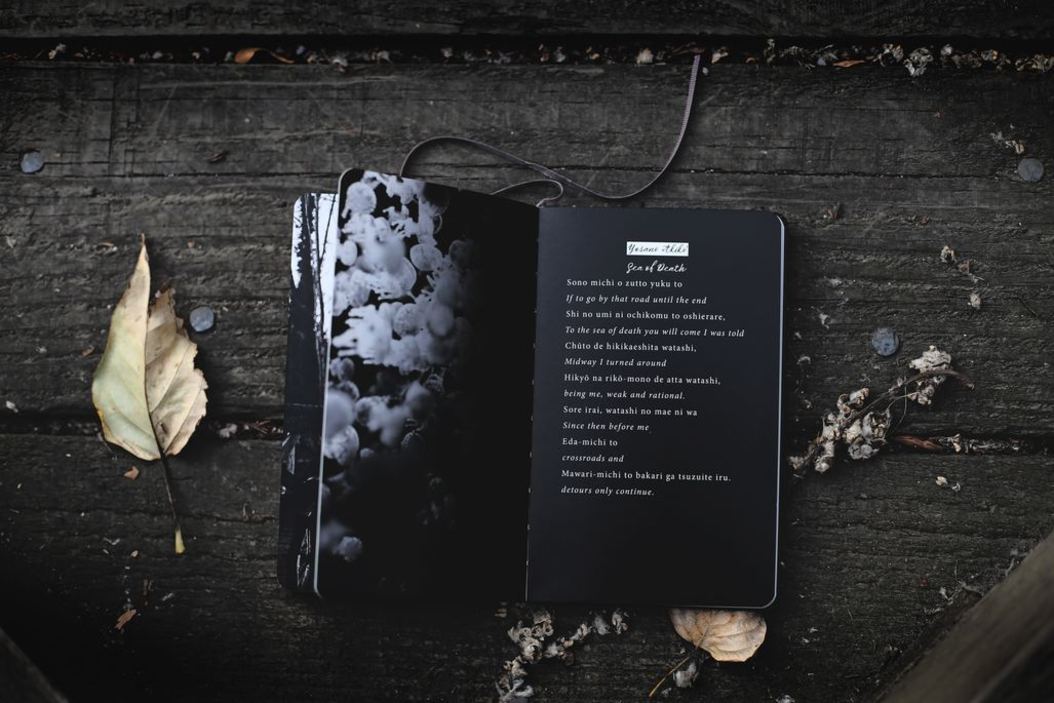
During the 80’s and 90’s existed a serial of books that allowed the reader to choose how to live the adventure, by deciding what path to take. Each of them had around 30 possible different endings.

Before the pandemic, we knew how to handle our day to day, and from time to time we could pick up something different, just to give it a try, living a secure experience.

But, COVID, turned upside down our life, transforming it into kind of a “choose your own adventure”. The difference here, is that there were no written possibilities, no written rules. No one told us the way we should deal with the lockdown, how to handle our social relationships also when back to normality and for sure, no one was able to give a guideline on how to go back to ”I know what comes next”.

Any tiny reminder of our previous us, is fine, why not watch again that movie? Change or repeat the small things that are under our control. Build our new, owned ”normal”.
Our choice of words

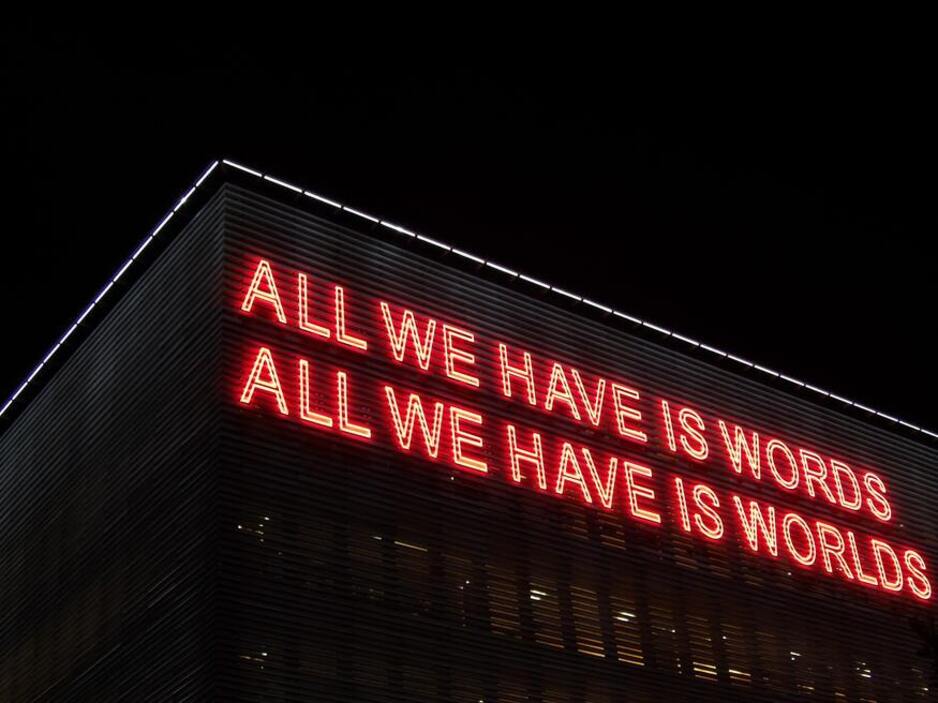
Language is the main vehicle for communication. It’s how we learn at the earliest stage of our life how the worlds looks like and works. It is part of what defines us, who we are or who we want to become.

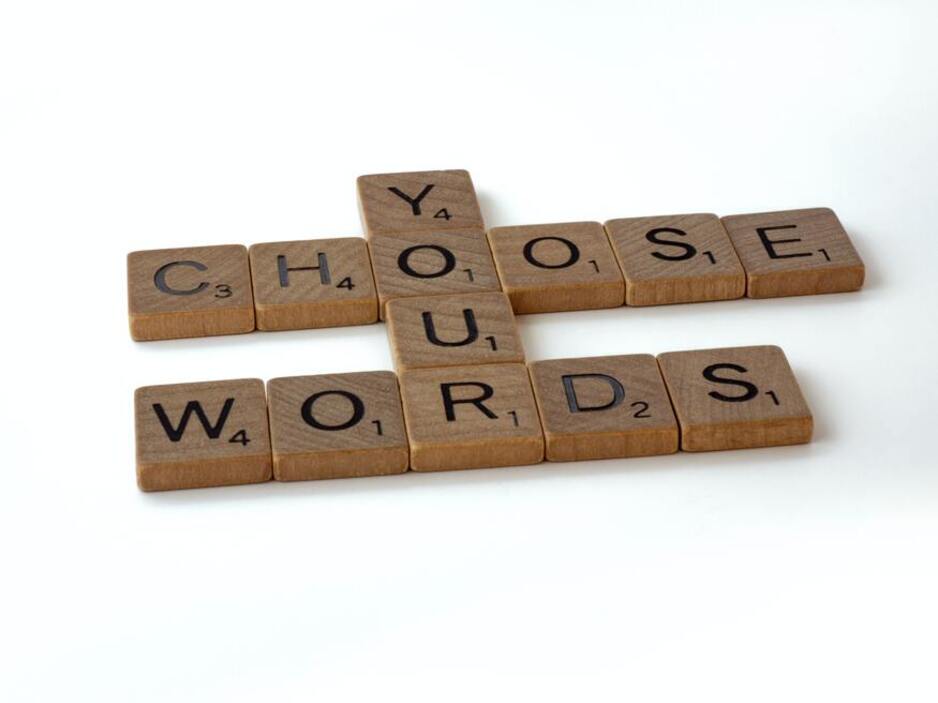
So, the words we choose, the way we express ourselves, say a lot about us, how do we want to relate with other people. It is a tool and a modeling clay. You decide how to see the world and how to be seen.

What do you mean? = I don’t see what you are doing or I am not able to see it it the same way

I agree = we both see it the same way

I disagree = I have a different approach, a different look

….

So, our choice of words are quite a thing!

Different eyes, different look

Same movie, two friends, none of them had the same interpretation about the plot, felt the same way regarding the characters or were caught by the same moments. There will never be two equal interpretations of a piece of art, a book, a movie or a situation when not the same two pair of eyes are admiring them.

Even when it comes to ourselves, depending on the vital moment we are art and words will reach us differently.

Love sharing how do you see the world and listen to how others do. That will possibly lead to conversations, heated discussions, or end up with an “agree to disagree”. Always respectfully.

Words are delicate, they need care and sensibility when we give them away.

MVP

Minimum Viable Product can be defined as ”that version of a new product which allows a team to collect the maximum amount of validated learning about customers with the least effort”.

How many times we seek for perfection? How long did it take the last time you delivered something 100% “well-made”?

Sometimes it’s better to deliver a minimum viable product, even more in the uncertain environment we are immersed in. Invest the right amount of energy in creating it, learn from the received feedback and apply it to deliver an enhanced version.

Long run, small steps, saving energy.

Miscommunication

It is not what I meant, I am sorry if you felt that way, … Many times we feel we need to apologize as our message did not reach the way we expected the receiver. Conversations can mislead to confusion, sometimes misunderstandings about what we wanted end up in a non desired conclusion.

This gets even worse when we move to online or so called digital channels when speed is at our service, but at the same time it becomes our worst enemy. We need to be more cautious, thoughtful. What is that we want to do? Take more time to write what we want to be our message, think twice about who will be on the other side and try to imagine in what mood will our words be caught.

Social etiquette for online communication is different and there is a huge need to learn how to behave. But, there is no one who is a master on it, most of us we learn as we walk.

In the digital era, it is simple and easy to say but harder to retrieve our words. Think twice before you write.

Script: from scratch or rewritten

When someone else has already walked a path, it’s easy to feel tempted by the opportunity to take what was done, and rewrite it, give our style, flavor and that is it. But it is all about the details why, when in what circumstances was the exercise performed, what was the motivation behind those words?

Sometimes it is easier to start from scratch so you can tell the story with your own words, rather than trying to reuse what someone else did. As good as it can be, it might not serve your purpose, tell your story what you want to be heard.

Taking care of our Social relationships

We have a limited amount of time during the day. We need to provide food for ourselves, have restorative sleep, … If we want to make our relationships worthwhile, we need to dedicate them, time. The more is invested in relationships, the less can be dedicate to all the rest of the activities. So, on the long run, the outcome of social relationships must be equal or higher than their costs.

When increasing the number of people we interact with, or the number of different contexts where this can happen, the individual‘s contacts get impacted. We have less energy and availability to devote to our previous contacts and what used to be a pleasant interaction, it can easily turn into occasional and superficial. If we make a cost-benefit analysis, we will come up with the conclusion, that something needs to be left behind. The deepness and close tights of some of our relationships, or some “worthless” interactions.

Sociability and basic needs must be balanced. Our choice. Always. We can not have time for everything. Balance is our mantra.

This is not the right time

When there is someone who makes a fuss about meaningless stuff, escalates issues when there is no need it can be because many different things. Could be that priorities were not set or understood or because they do not want to bring to the table important topics to be discussed.

Make a big deal of irrelevant things, makes very easy to start a discussion that’s tends to go nowhere, upsetting whoever is involved. And we leave out of the picture the important matter. It can happen once, but if someone insists on coming back to an irrelevant, provocative topic it is not a mistake. They rather talk about anything else but the important thing. Important things require understanding, patience and mutual respect. Not everyone is up to it.

T / L Ratio

“If we were supposed to talk more than to listen, we would have two tongues and one ear” Mark Twain

If we learn by observing, by copying someone else’s movements, learning by listening is a great option. In listening we can learn many important things. But that it’s not what usually happens.

We tend to talk al lot, and we “hear” what is being said, usually just awaiting the moment our speaker has finished so we can start our own speech. And that is mainly because from very young we are taught on how to talk, how to express ourselves, how to get the audience’s attention. So, our Talk / Listening ratio usually becomes >1. And that is no good, not helpful.

So, what to do to change the situation? Any knowledge, any different behavior we acquire in our adulthood takes a considerable amount of time and effort as we need to alter our habits. Truly listening would be on the “difficult ones” list. Turning around the ratio, Talk/Listening<1 will require your full attention 😉

Some tips:

  • “be patient my friend”, practice makes perfect and if you want to be a good listener you need to wait (allow your speaker finish completely prior to saying anything)
  • Play mindfulness, yes, stay open-minded, avoid assumptions, do not let yourself be led by stray thoughts, stay focused on listening
  • Create an open space: remove any obstacle, be careful with your body language, ..
  • be organized, if you don’t have the best brain storage capacity, take notes
  • PRACTICE, practice, practice

We are back, in the middle of August, but is there anything “business as usual” this year?

Concentration & performance

Some of us have spent the last months working from home. Suddenly, there was a change of scenario, far from the office, colleagues, coffee breaks and interruptions that led us to increase our performance. Quiet times at home allowed us to concentrate much more on what we were doing. But after a while, performance, or at least the same level of concentration could not be kept at the same level.

Some of the experiences shared by those who have been working from home are to have seen reduced their ability to remember what they read on a document, worse notes taken, less focus capacity, the solitude of mind overload (no colleague with whom to have a coffee with to just distract our minds), …

Concentration and making the best of our time comes easily when we are able to establish different spheres in our lives. When everything has to be in the same place, there is no where else to go or no options when it comes to communication, it is pretty difficult to focus, to isolate ourselves from the outside noise.

A change of setting is always a good thing, it forces and, at the same time, allows us to give again our best.