Always open to change

Any change starts and ends with ourselves. Regardless of who or what initiated the process, if was our own decision or it was due to our circumstances.

Next week it will be 4 years since I wrote about this topic and described the possible triggers or motives that lead to change, to move: I have to (motive, need) do something different, I want to (desire, hope) change or I want a better future, I feel I should (emotion) do something, to act.

It does not matter how did you get there, what it matters is what you do once you are.

It’s been a while since I wrote for the last time.

A good friend shared this old post with me again, and reminded me how important is to keep going, knowing that someone has your back, no matter how scary the next step might be.

New season, new posts.

The first word spoken

The first word a kid, normally, says is “no”. And it comes from the learning of what can and can not be done, what is ok and what it’s not.

But once we become adults, many keep the “no” as their first answer. Could we try this? No. Would you like to …? No. Is it because we keep the sense that it may incur risks? Or just as simple as they do not want to try something different?

Think, How many “no”s do you say a day?

When we want to achieve behavioral changes, we need to reprogram deep learnings. And how easy is to change something we learned at a so early stage?

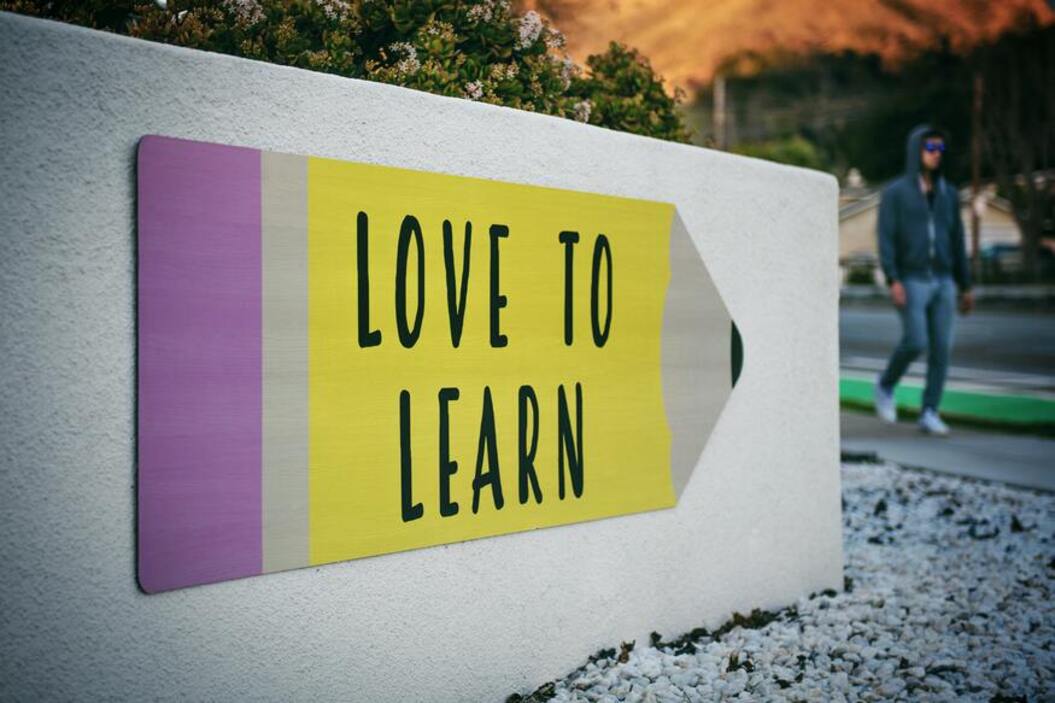
Learning drivers: need or willingness

Some years ago in secondary school, I had Latin as a mandatory subject. It was not my favorites, therefore the only driver was to pass the exam (Driver? Need). However, I really enjoyed foreign languages and my driver was completely different (Driver? willingness).

As adults we continue to struggle/enjoy with very similar matters although we might not be aware of it. Our drivers remain unchanged, willingness or need. We study just for enjoyment or personal/professional development. We make the choice. We decide to study in order to get a certificate and be able to find a better job. But, there are times when, even knowing we will not be asked to pass an exam, the only way to go over something is by learning, from someone or by practice. Because there is no other way, no workaround.

Learning takes us to the next level, even when it is the only way to unlock ourselves, it is the only possibility not to fail, or we simply and truly believe we will be better after all. And this is always true, learning moves us forward not back.

T / L Ratio

“If we were supposed to talk more than to listen, we would have two tongues and one ear” Mark Twain

If we learn by observing, by copying someone else’s movements, learning by listening is a great option. In listening we can learn many important things. But that it’s not what usually happens.

We tend to talk al lot, and we “hear” what is being said, usually just awaiting the moment our speaker has finished so we can start our own speech. And that is mainly because from very young we are taught on how to talk, how to express ourselves, how to get the audience’s attention. So, our Talk / Listening ratio usually becomes >1. And that is no good, not helpful.

So, what to do to change the situation? Any knowledge, any different behavior we acquire in our adulthood takes a considerable amount of time and effort as we need to alter our habits. Truly listening would be on the “difficult ones” list. Turning around the ratio, Talk/Listening<1 will require your full attention 😉

Some tips:

  • “be patient my friend”, practice makes perfect and if you want to be a good listener you need to wait (allow your speaker finish completely prior to saying anything)
  • Play mindfulness, yes, stay open-minded, avoid assumptions, do not let yourself be led by stray thoughts, stay focused on listening
  • Create an open space: remove any obstacle, be careful with your body language, ..
  • be organized, if you don’t have the best brain storage capacity, take notes
  • PRACTICE, practice, practice

We are back, in the middle of August, but is there anything “business as usual” this year?

The Pike Syndrome

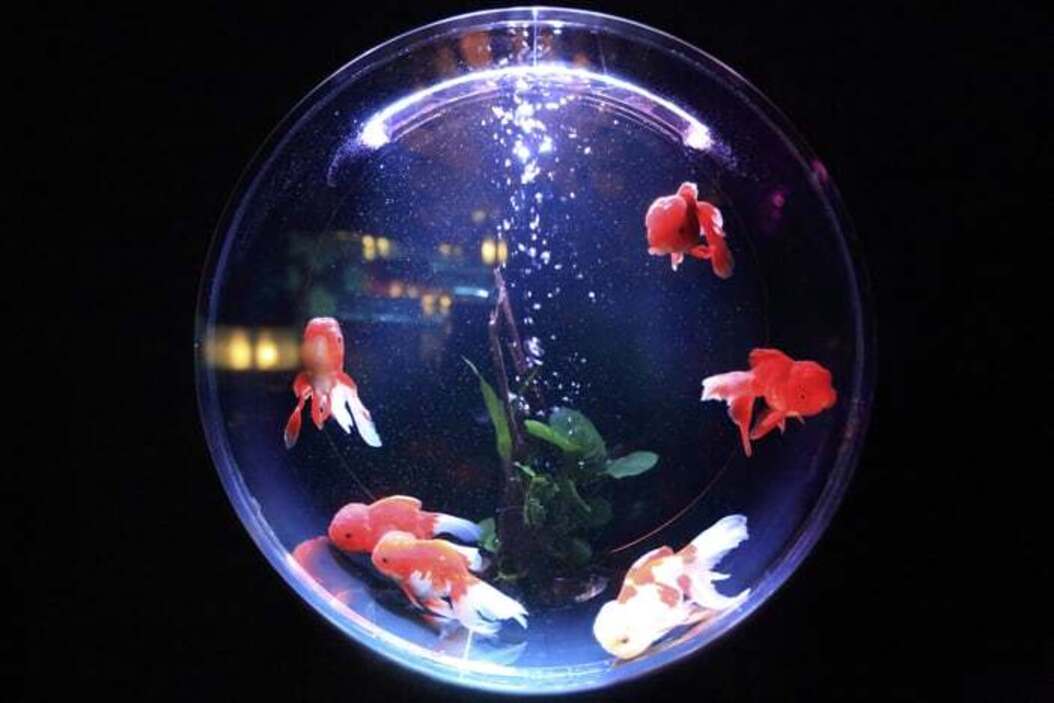
A classic experiment was first conducted in 1873 by a German zoologist who put a large pike in a tank of water and fed the pike small bait fish. After awhile, he divided the tank by inserting a heavy glass in it. Then, he dropped the small fish into the section separated from the pike by the glass.

The pike charged the little fish. It charged over and over, and each time the pike charged into the fish to eat them, it crashed into the glass. After a number of attempts, the pike gave up and no longer tried.

When the glass was finally removed, the pike and its prey (the little fish) peacefully shared the tank. The pike had learned that pursuing the small fish caused headaches.

Are we any different from the pike? No, we are not. When we let past and painful experiences hold us back from trying something new, we are suffering from the Pike Syndrome. We show fearful behavior based on assumptions that are no longer true. We are then limited by self-limiting beliefs, by what we were been told over and over, …. By many things that might no longer be valid.

That is why we need to try, because we don’t know if the glass is no longer there. We need to revisit our fears and limitations and see if what we were told, what we experienced is still out there.

Network talks: the impact on labor

In the era of the network society job and employment have experienced a huge transformation.

On one hand, we observe a higher level of individualization, terms as skills, engagement, ownership of your career / development have gained importance over the background. Now, it’s the person as a single element who decides and creates its own path. In a dynamic environment you need to make a difference and/or demonstrate your value constantly. More autonomy, more flexibility, a more demanding environment.

But it doesn’t come alone. On the other hand, labour market by means of different types of contracts (Self-employed, temporary, part time, …) has more flexibility to perform any need of «adjustment».

So, if we add both of them and us the mix over the employees, the result will be two different categories where to fit in:

– «Rebrand-able«, equiped with the skill of recycling themselves, to adapt and change steadily to new technologies, tasks, .. capable of continuous learning, to process information, to transform it into something new.

Generic. Uncapable of keeping the path of continuously learning, whose tasks compete with cheap labour or machines. He/she is easily exchangable.


So now, it’s not only about curiosity, it’s about ensuring you are not left out. Always ready, but even more when what surrounds us changes as fast as in a blink of the eye.

Networks are an interesting element to be studied.

Curiosity killed the labels

Or when the need or desire to learn more frees us

We all tend to label people. It is human. It makes life easier, keeps everything in some kind of order for us. This is this, he/she is … And it gets more important if we are the kind of person that likes every single thing in its place.

But when we label people three things happen. Firstly, we spend a lot of energy classifying, deciding what the other is or seems to be while finding new adjectives that keep him/her tagged. Secondly, as we have decide to put them in a specific place we close the door to difference, we tend to isolate from the rest. Our comfort zone, our comfort group. And, lastly, we may feel that we know a lot, that there is no need to be taught anything new. If this happens, we can be walking the unlearning path, towards stagnation.

When you decide to learn, your curiosity grows. The more you know, the more you need to explore unknown lands. Then you start caring less about who and more about what. The time dedicated to label people reduces significantly. Listening increases. Of course, this does not mean you need to agree on everything the other says and thinks. It means you are more open minded. You are freer, there is less need to sort things, to have everything classified. All the effort is focused in expanding your knowledge.

Once you tag less, you hear and understand, then, you are able to adapt your speech to different listeners. New conversations arise, a whole new horizon is ahead of you. But also, you save a lot of energy, complete focus on developing yourself, following YOUR own way, caring less about what others do, think and say.

Not easy to stop categorizing all of the sudden. Being curious, helps. Maybe, that one you thought was YYYY can tell you so many things about what you are interested in. Remember, you can label but at the same time you are being labeled too.


Rafa, thanks for recommending me «Meditations by Marcus Aurelius». Awesome lecture.