The first word spoken

The first word a kid, normally, says is “no”. And it comes from the learning of what can and can not be done, what is ok and what it’s not.

But once we become adults, many keep the “no” as their first answer. Could we try this? No. Would you like to …? No. Is it because we keep the sense that it may incur risks? Or just as simple as they do not want to try something different?

Think, How many “no”s do you say a day?

When we want to achieve behavioral changes, we need to reprogram deep learnings. And how easy is to change something we learned at a so early stage?

Staring at it won’t make it go away

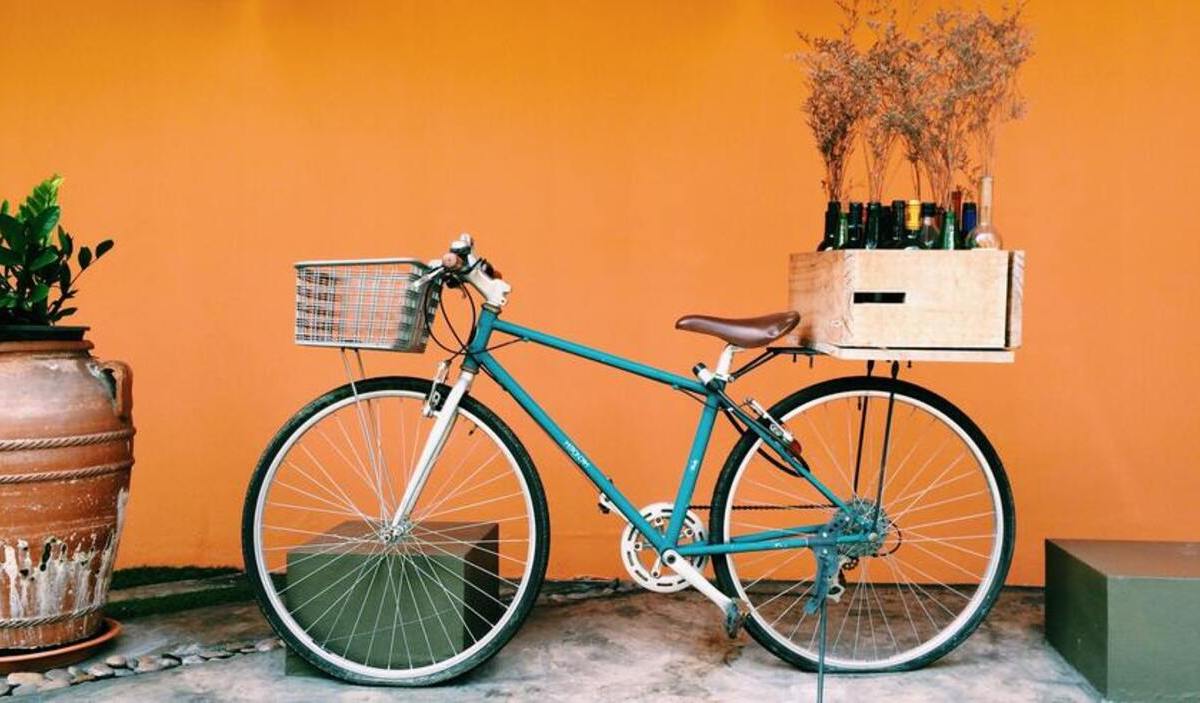
This morning on my weekly running, I came across a girl who was staring at her bike. Apparently she was having a hard time with its chains.

On my way back, she was still in the same position, staring, same angle, same look on her face and not trying anything ay all…

We can get stuck when trying to solve a problem and stare at it for a while. After that, we need to change our visual angle, try at least something (even if it might not work), or ask for help. Probably, there will be someone who knows how it can be fixed, have different approach or at least a slight idea of where to start from.

Staring at something for ages, not even changing the way we are trying to solve it, will not make it solve by itself, will not disappear. Magic does not exist it is made to happen.

We do not have a problem

When you continuously challenge yourself, your environment, how things are done, how does the world work, .. You probably see fixable stuff everywhere.

Organizations are made by people, their knowledge, skills and attitude. The oriented-to-change or to improvement organizations&teams are always looking around, searching for things to be fixed, anything that can be improved by doing differently. Processed that are obsolete and needs to be adapted to a new reality or even better, to be created as there is nothing that can cover the gap. They act proactively. They always see an opportunity, a puzzle / problem that can be solved. The usual answer to How are thing going will be: we could do better.

The oriented-to-resolve organizations&teams happen to be on the other side of the room. They look only to fix what’s broken, only taking action when a PROBLEM is on the table. And when it does, when the problem is visible, it’s usually because it has become important, big, visible. It’s the outcome of adding many issues to which we didn’t pay much attention to, they were too small to be considered. The usual answer to How are things going? Will be: we don’t have any problem.

Well, continuous improvement permits us to avoid big problems or difficulties and be ready for the next challenge. And this is mainly a matter of attitude. The tools for changing will come after.

Because, if we don’t have a problem…. we have a problem.

What are you made of?

Reading, sports, conversations, loneliness, silence, reading, chess, drinks, walking, friends, family, pets, work, colleagues, driving, traveling, people closeness, food lover, ….

What are you made of? What brings you to life and is Your spark? What gives you food for thought, makes you vibe? What makes you smile and have comfort. What is it?

These days it will be difficult to have some of them but you may be able to cultivate some others. Just make sure you smooth the need, you contain yourself and you help others to bear the moment. That will also be part of what you are made of.

The Pike Syndrome

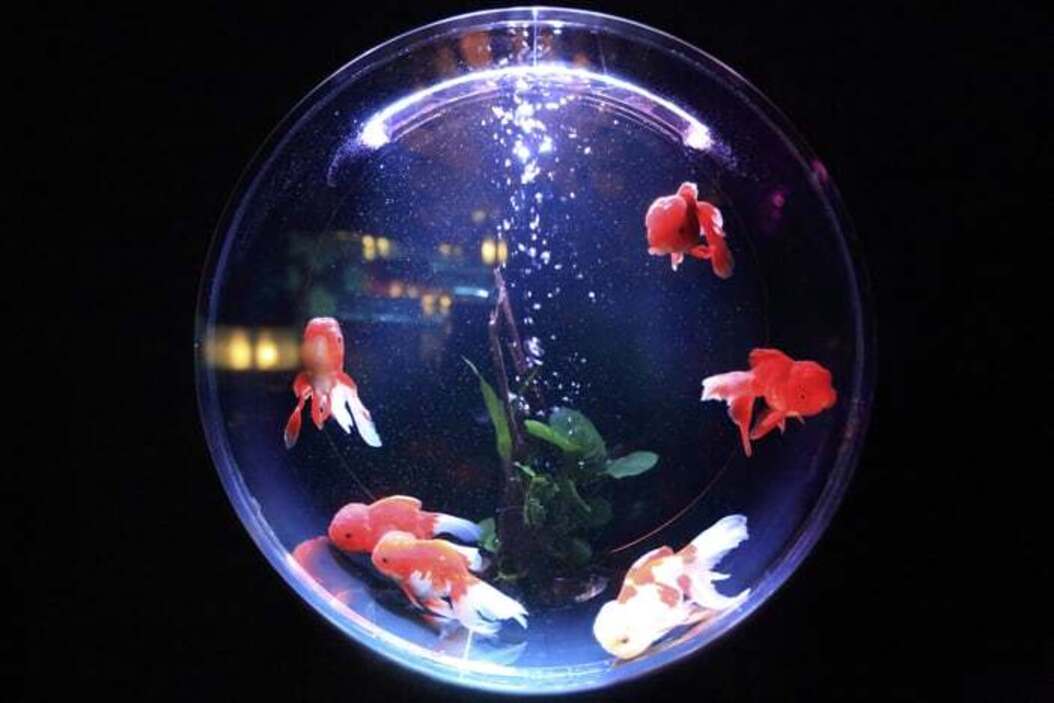
A classic experiment was first conducted in 1873 by a German zoologist who put a large pike in a tank of water and fed the pike small bait fish. After awhile, he divided the tank by inserting a heavy glass in it. Then, he dropped the small fish into the section separated from the pike by the glass.

The pike charged the little fish. It charged over and over, and each time the pike charged into the fish to eat them, it crashed into the glass. After a number of attempts, the pike gave up and no longer tried.

When the glass was finally removed, the pike and its prey (the little fish) peacefully shared the tank. The pike had learned that pursuing the small fish caused headaches.

Are we any different from the pike? No, we are not. When we let past and painful experiences hold us back from trying something new, we are suffering from the Pike Syndrome. We show fearful behavior based on assumptions that are no longer true. We are then limited by self-limiting beliefs, by what we were been told over and over, …. By many things that might no longer be valid.

That is why we need to try, because we don’t know if the glass is no longer there. We need to revisit our fears and limitations and see if what we were told, what we experienced is still out there.

It all depends on how you look at it

Damn it! You forgot to move your car and now you are stuck in that village. Oh no! You missed that flight after running half a marathon across the airport.

Whaaat? Can’t be possible, you packed everything up and then… you forgot it at home, too late too far.

The food is weirdly sweet.

The hotel does not look as in the pictures, so what.

We are not talking about critical, unbearable situations. In fact, if you look at it through the weird funny glass, after a while you will have some good laughs. Do not stress. Relax, you were not in danger, nothing bad happened.

There are so many other things to worry about… and we can not carry too much anger or frustration. We need our best smile and mood to face real life problems, not tiny bumps.

Smile, it’s Christmas time. Enjoy these days. Miss who, not what.

Thanksgiving day

Thanksgiving is celebrated in many countries, being one of them the United States. I have had the opportunity to celebrate this day while staying in New York for an amazing week. Chatting with a friend, she told me that she gives thanks, every day, for what she has but that she specially loves this day because of what it represents: tradition, family, friends and a reminder of the opportunity to say out loud what we are thankful for.

As the end of year gets closer many of us, look behind doing balance of what was lived, what we have done well, what we haven’t done, and so on. I did it this way last year. But I am switching to a Thanksgiving mode.

I am thankful everyday for my well-being, that despite some inconveniences everything is fine, more than fine. I am aware, everyday, of when I am doing the right thing and of course, when I get wrong.

In the end it’s not so important that need to recap, we actually have to stock the good moments. Bad moments will go away, if we did wrong we should readdress the situation and put in place an action plan if we made any mistake.

I am thankful for my friends (laughs and serious talks have been really supportive this year), my family (always there, no complaints, understanding), my work and colleagues (I have been able to learn, develop myself and grow up a bit more), I am deeply thankful for the wake-up calls we have had (and that, luckily, where only false alarms, right Ele?!), for all the NOs I got (fell and got up) and the YES I got (confirming that I was in the right, unknown path).

Definitely, I am switching to a «Thanksgiving» mode. Do you have a list of things you’re grateful for?


Explanations, motives and timing. Actions talk about us

Ultimately, we all do and don’t do things for a reason. The «When and Why» behind our options capture the attitude towards the rest. Reflects who we are.

Why? What you tell to yourself or what you say when someone asks you…

  • I love doing it
  • I have to
  • It’s the right thing to do
  • I have been told to …
  • Someone must face it
  • I am better than XXX
  • I will be recognized for…
  • I have never done anything different
  • No one has thought about it, maybe it works
  • It can be done in a different way
  • I have come up with a great idea
  • We do it every day
  • ….

When? Is it  a one time action? Are you always like this?

  • Only when we are asked to
  • Every time we face the same situation whether or not we are being watched
  • Just when we know/think that someone is looking
  • We are just looking for the occasion to be noticed. We provoke it.

We decide our moves, our adventures.  Because, we always have a choice. Are we in? Or do we let it go? When in, are we a 100% in? Every single time? Rarely? It depends?

Attitude is the sum of many things. A constant in our behavior.

What defines us, make us «classifiable» (if you love labels) is the regular «Why» we tell others + the truthful reason behind our action (that can be sensed), + the «When» and, of course, the «How».

Where do you fit? What drives you?


The transformer power of language. Use it for the best version of you.

Your future you

Language helps us to express feelings, desires, expectations, … so many things as we have been reading. The way we use verb tenses conditions a lot how do we face challenges in life. It also exposes our attitude towards difficulties and changes (do we let it just happen? do we act? do we have fear?).


I should…: You are aware that something needs to be done, action taken,… but you are postponing the action.

I want to… : Implies desire, the initiative to start a change, to become something different.

I will…: Shows a clear intention. It implies that we have defined a target.

I have planned to: You already have something in mind, there is plan and an execution on its way.

I am -ing…: Already on the move, towards a final destination.

When the time to look back finally arrives, you should say, I made it: You walked all the way and you succeed. You arrived after all the efforts and sacrifices.

And you should not have to say, I should have…: You regret a decision or a non-decision making. At some point, there was something you didn’t risk trying. This should not happen.Time flies.

Any decision you make needs to be thoughtful. When you are in doubt, choosing between two roads you will discuss a lot with yourself. Eventually you will go for one and you will get, learn, earn some things yet leaving other things.

You can not spend your life stuck, complaining, letting things happening around you, to you, and doing nothing (I should, I could…).  In the end, by allowing yourself to be unhappy an bored days may seem to pass really slow but it is the other way around. Move, try, progress (start using I will, I am…).

If you are on the I should, I would… move to I want to, I will, I am. Transform your language, transform your attitude.