What was highlighted by others before you did

You have been asked to read and summarize a document. And someone else was asked to do so before you. That person highlighted what he/she considered were important parts or remarkable ideas.

  • Should you just replicate what was done and make your someone else’s words?
  • Should it be a guideline, to develop your own thoughts and comments from where they left it? Enrich someone else’s ideas?
  • Or, should you make a double effort, ignore the tentation of effort avoidance, start from “non real” scratch and build your own summary and conclusions?

Decision-making can sometimes be like a document overview. You can just repeat what someone else decided was important (keep things like they were), you can enhance someone else’s choices or you just can take it as another piece of information and make your own choices. It all depends on how much do you want to see reality with your own eyes (maybe you will reach the same conclusions as others did), it depends on how much do you want to contribute with your own vision of the world and reality. It’s always up to us.
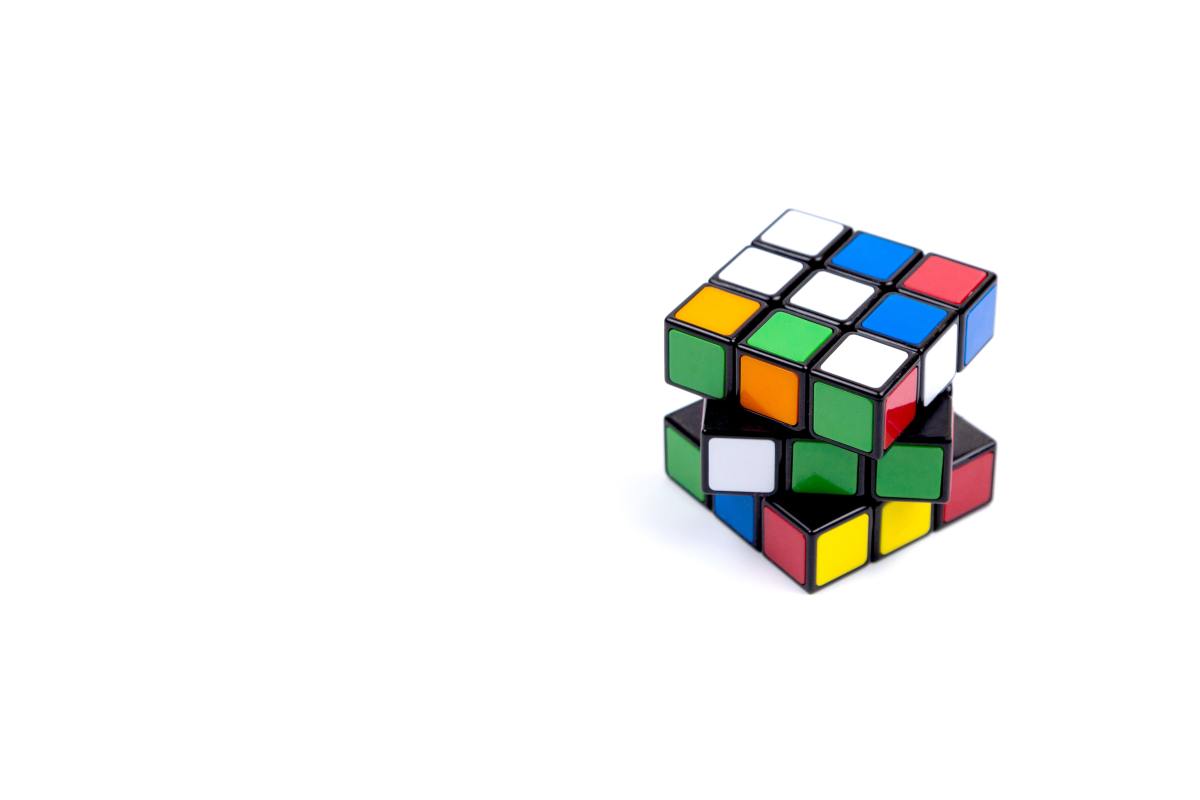

Wolf, sheep and cabbage game

There is this mind game. There is a farmer that visits a market and buys a wolf, a sheep and a cabbage. On his way back home, he needs to cross a river. On the boat he can only carry himself one of them to the far bank of the river, so here is the thing. How will he make it? f left unattended together, the wolf would eat the goat, or the goat would eat the cabbage.

Sometimes we feel like facing unsolvable issues. But is nothing else than a matter of time and patience. We have tones of problems, tricky decisions, … we lack of patience and time to dedicate to them.

Well, in the end some things can only turn into a mind game. Find the time, let patience help you.

Time elasticity

It is a finite element, but the use you make of it, says a lot.

Low usage (low elasticity):

  • Tiredness
  • Sense of too much to do, no time at all to do anything
  • Any peak of activity looks huge, almost impossible
  • Any proposal for going out is uf! Not in the mood
  • Leads to inefficiency, two unnecessary movements, efforts, …

High usage (high elasticity):

  • Feeling of being alive
  • The sense that there is still room for something more, you just need to find the time slot for it
  • Any peak of activity is handy, it will only require to adjust some things that is it
  • You make the best of each free time, each moment spend with friends and family, …
  • Leads to efficiency, maximizing your movements and eliminating those non added value activities

The more busy your day is, the more you make of it. Just make sure, you don’t reach the maximum capacity of time availability. It is not infinite, and there must be flexibility.

Technology

We are now so used to it that sometimes we forget that is a tool not the reason to be.

We can keep in touch with those who are far away from us by email, chats, social networks, video conferences… but that should not replace a trip just to pay a visit, a night out, a face to face meeting, a conversation, a hug…

We can read a book anywhere in any device, light of luggage. But what about the pleasure of reading a paper book from time to time?

We can search for beach images on the internet but what about admiring the sunset while sipping a cup of coffee?

What about sitting on a terrace while observing what is going on around us?

Don’t let technology distract you from beauty, Keep you from personal interactions, don’t let it be the center of everything, use it when you need to. The rest of the time should pertain to your five senses.

The business case

When facing decisions, or changes we can look only at the cost / benefit piece. That of course, will bring useful figures but it is not always about making the numbers.

Qualitative data is as important as economics. What can you get from the new software, how would it bring the team to the next level, will it make it easier for everyone to manage the day to day? Are we talking about a new location which is closer to most of the employees location?

Are you reducing lead times? Reducing mistakes? Gaining peace of mind?

There is a lot behind one meditated decision. Or it should be.

Long term investment vs short term results

Seems that the short term means more pressure than the long term plan but id does not.

We can usually find ourselves surrounded by who is willing to bet only in the short terms efforts and results. Who is always living in the urgency, demanding a new, additional effort. Than can be one time thing, or something demanded by the situation. When it becomes the normal for those people is usually due to selfish reasons. Trust misuse, ignoring others advice and expertise, sending urgent emails, short term results that would need long term planning.

And it can add more pressure if you are a long term person that invests and is not a one time consumer.

In the case of long term view, there are much more opportunities to become and to build something bigger. It requires more focus.

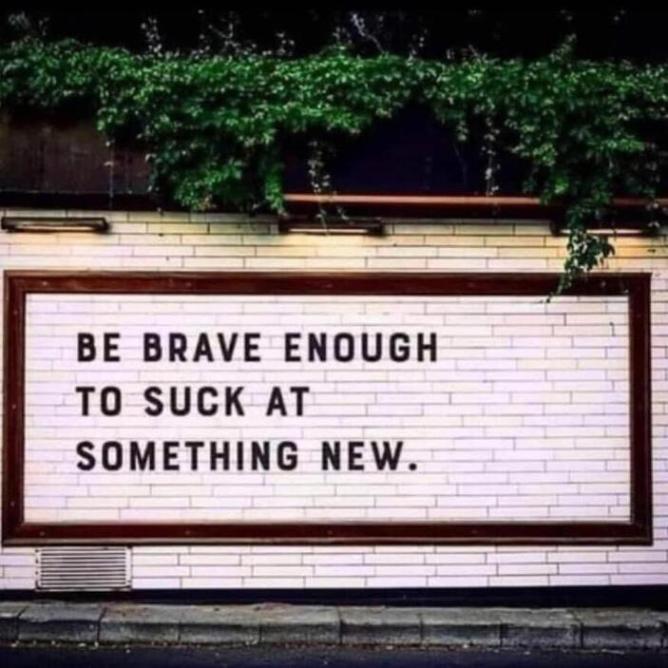
Being brave to suck at something

It would be rare that you’d never heard of, never been told about the comfort zone. How we should always try to expand it, by moving one step away from it progressively.

Is always scary to stop doing what you master to experiment. So it’s easier to agree to developing by trying something new but familiar. Remember, one step away at a time.

There are times when you just need to take a run-up to jump as far as you can, so far to get away, away to un unexpected zone. Well, when you already excel at something is not easy to start from scratch knowing that you might suck at it at the beginning.

This if fear keeps behind people, the fear Of not being the best the very first day, to not know everything. Over and over we repeat, surround yourself by braves, or be the hero or patient zero. Help others grow, be on their side during the trip.

Your choice.

Thanks Matthew Daniel for the picture!

The Pike Syndrome

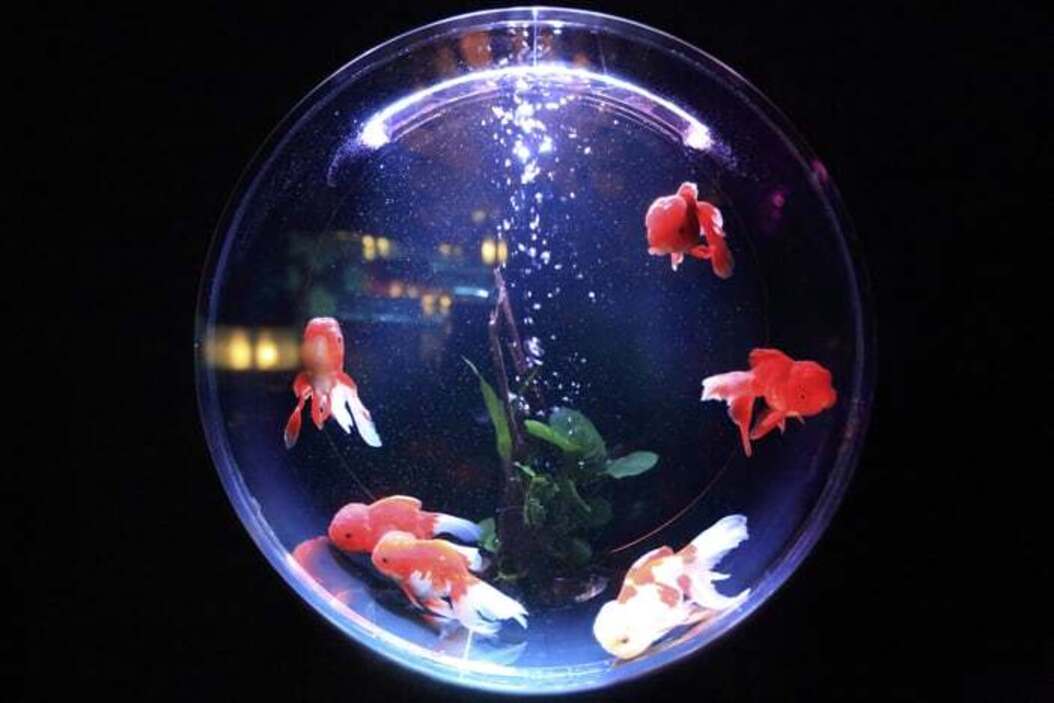
A classic experiment was first conducted in 1873 by a German zoologist who put a large pike in a tank of water and fed the pike small bait fish. After awhile, he divided the tank by inserting a heavy glass in it. Then, he dropped the small fish into the section separated from the pike by the glass.

The pike charged the little fish. It charged over and over, and each time the pike charged into the fish to eat them, it crashed into the glass. After a number of attempts, the pike gave up and no longer tried.

When the glass was finally removed, the pike and its prey (the little fish) peacefully shared the tank. The pike had learned that pursuing the small fish caused headaches.

Are we any different from the pike? No, we are not. When we let past and painful experiences hold us back from trying something new, we are suffering from the Pike Syndrome. We show fearful behavior based on assumptions that are no longer true. We are then limited by self-limiting beliefs, by what we were been told over and over, …. By many things that might no longer be valid.

That is why we need to try, because we don’t know if the glass is no longer there. We need to revisit our fears and limitations and see if what we were told, what we experienced is still out there.

Focus on … what?

We only think about leaning our daily activity when struggling, we put the effort on being cost effective when facing budget cuts, we talk about being customer oriented when we are losing them…

But what if we tried to always do better, for ourselves, our customers and employees at the most reasonable cost? Common sense. Put that together with a clear business vision and magic will happen.

Invest all the energy in meaningful things, not because bad times have catched you.

Short & important

If we prefer sending an email (write and send, easy), if we just forward funny, shocking, easy, stuff that even us (senders) will not be able to remember what were they about two days later… why are we surprise when noise surrounds us? when we receive annoying demanding and/or avoidable emails, or fake news, …?

Let’s try doing the other way around, let’s try calling, visiting instead. Let’s use each interaction for building (relationships, useful content, …). Let’s share any appealing, complex, thoughtful content we found instead.

Should work.


Inspiration does not come easily, sometimes a little help is fine. And it can come from unexpected places.