Network Talks: Collaboration, how?

Easy to say, not so easy to do. Open space, team building, training, … All of this worths nothing, as they are simply tools, if there is not in place the basic, the HOW. And that’s Trust.

What you need:

Trust is the only feasible base to build a collaborative environment as it makes every interaction go farther than the only desire to obtain an occasional benefit. It brings the magic of being able to get quick wins but also, think about the long term and each participants best contribution.

How to start?

You want to collaborate? you need some kind of bond with the others. You will have to build a relationship of trust with those that will help the team to grow. It will be then when egos will not exist, it will be possible to listen to and agree with different thinkings, when you will be able to accept that the benefit of the team can be greater than your individual.

Keeping the motion:

Obviously, it is not possible to have all the members with the same level of implication. There have been identified three different groups. The first is that 1% of the team members called the core. They share, push, coordinate, always with a yes for a new adventure or with a special look at things. The second, 9% of team members called, actives. They participate when they are interested in the topic, work hard, share and learn. But, the other 90% is passive. They don’t push, they do not actively participate. They observe and listen.

Life cycle:

The collaborative network is capable of self-regulation. Meaning, if a node of the network is not adding, stops being useful for the final purpose, it blocks its progress, the same network as the base is no longer present, smoothly makes it disappear. And keeps the work with those that want and can.


Once you start, it can only get bigger.
Draw it, build it

When we plan to give a speech, prepare a presentation we begin (usually) by designing, by writing the script.We keep it in our heads, on a piece of paper or on the computer.

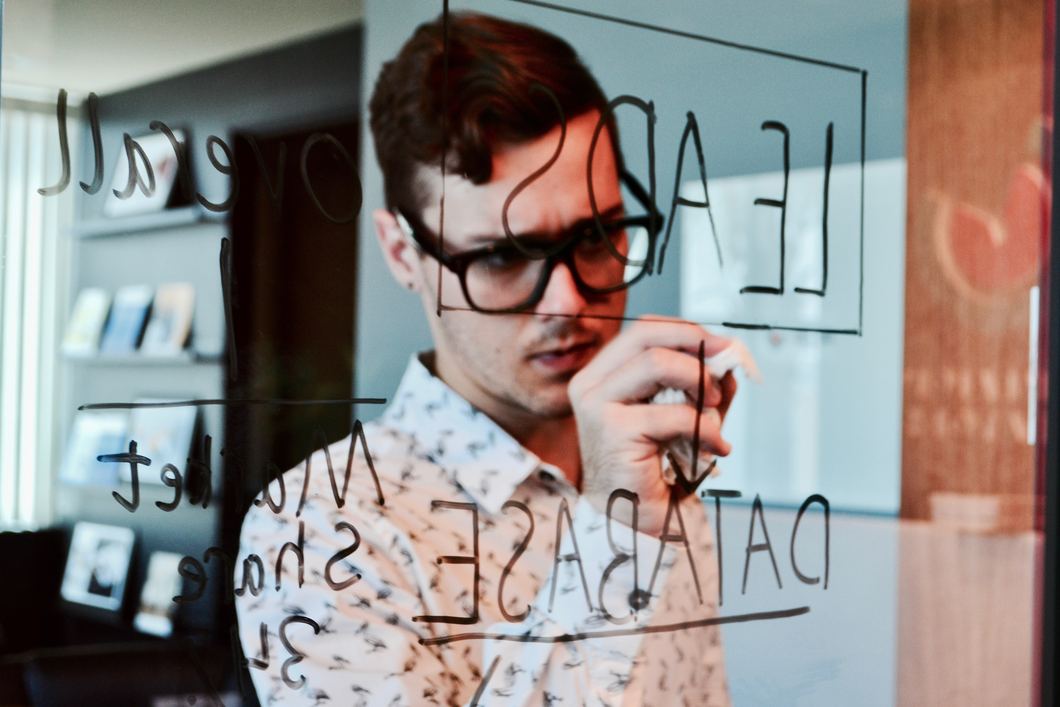
When we are in a meeting discussing topics, training, selling a product… we have many different tools (power point, support documentation, videos…) but one of the most useful is drawing. The more visible surface for the attendants, the better.

  • Are you explaining something for the audience’s very first time? It will serve as the structure from where to build from.
  • Do you pretend to make understandable a structure, a decision… ? It will be the reference point for any posible question.
  • Do the attendees speak different languages or come from different areas? Use it as the common ground for questions, agreements, solutions, …
  • Are you trying to solve a problem with n possible solutions? The different paths will help to develop new thoughts and solutions
  • Are you offering different choices, but your audience has not clear what they true needs are? It will be the guidance to narrow their problem and get closer to the best product, or solution.

Communication is never a simple thing, we do not express and/or thing the same way, so we will understand and process differently.

While drawing (a process, for example) you clear your mind and fill any possible GAP and you give to others the opportunity to participate with their thoughts while adding, editing… your draw.

Drawing in order to get things clear is building common understanding brick by brick. Draw, discuss, modify, progress, improve. Draw, discuss, modify, progress… Everyone is able to leave the meeting with all the ideas, same understanding and/or agreements.

Take the opportunity to draw more, on a blank sheet instead of using a presentation full of words but with no understanding.

The roller coaster: friends, colleagues & teams

team development
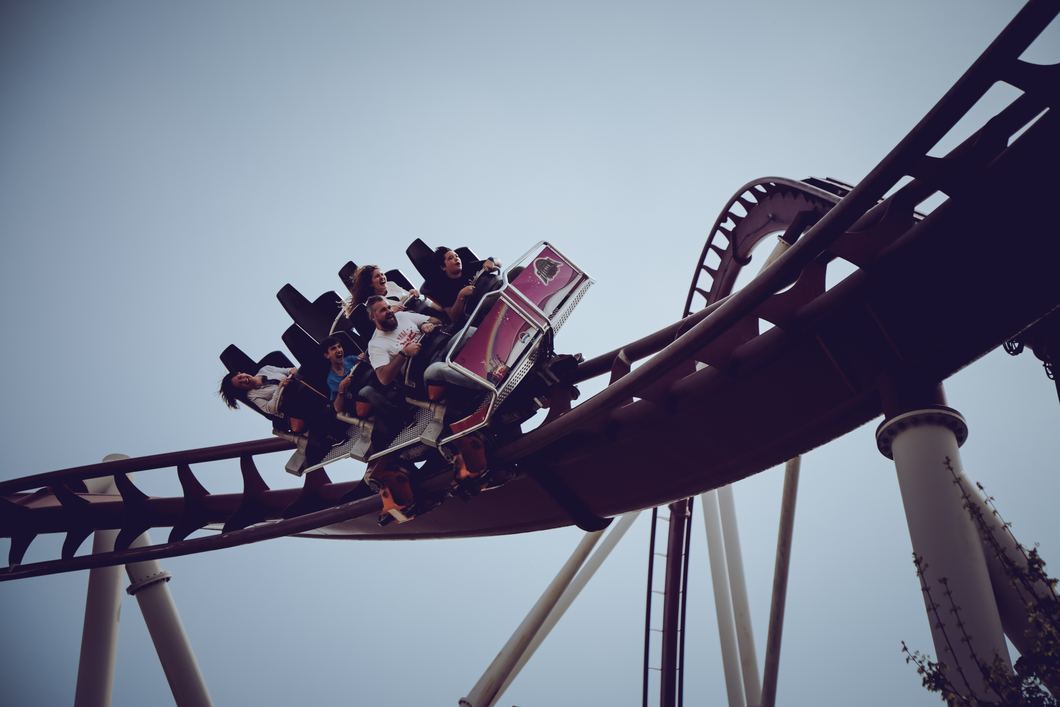
Years ago I took a ride on a roller coaster with some friends. It was a new one, something different, unknown, the ultimate amusement in town. Recently, while talking to colleagues, this moment came back to my mind. The similarity between this amusement and how does individual mood impacts on the rest of the team inspired these lines.

Before we got on, some of us tried to explore all the posible details of the steel structure draw. Others of us didn’t even want to look.

As we were quite a big group, we could not fit all in the same wagon. So, we would have the experience with different time offsets. Also, it meant that a few would have to sit with strangers.

During the ride, emotions and reactions were completely different between us. Fright, enjoyment, expectation, … Laughs, screaming, silence due to panic, dizziness, …

Not possible to have two people with the same expectations, reaction, same emotions at the same time.

When being part of a team and we are:

  • Facing new horizons:
    • We can start a project with some friends, and sit in the same front wagon. As we progress we will not feel the same way, we will not have the same reactions. But it’s good to know that we are all there to support each other. And it’s also important to teach the ones who got on the last wagons.
    • If we are joining an existing and robust team there is no front wagon for us. Then it’s really important to have the support of those who already lived what we are going through. To have some guidance and understand what will come after and be as much prepared as feasible.
  • Dealing with individuals states of mind:
    • Around us there is who is in a similar momentum as we do. We feel comforted, understood. And it feels good, we are not alone, we have some support.
    • But there is always, always, someone who is in the other side. If they are up we need to get close them and let us catch by their good vibes. If they are down, we need to help them, try to contagiate some positivity or at least, let them feel that the team is there for them.


The moral of our team has a high impact on our performance. And after one roller coaster another one will come. Don’t you want to have the more fun you can and the best results?


Summer holidays are reaaaally close. Use them to recharge your batteries.

Board games and team culture

What could Organizations, teams and board games have in common?

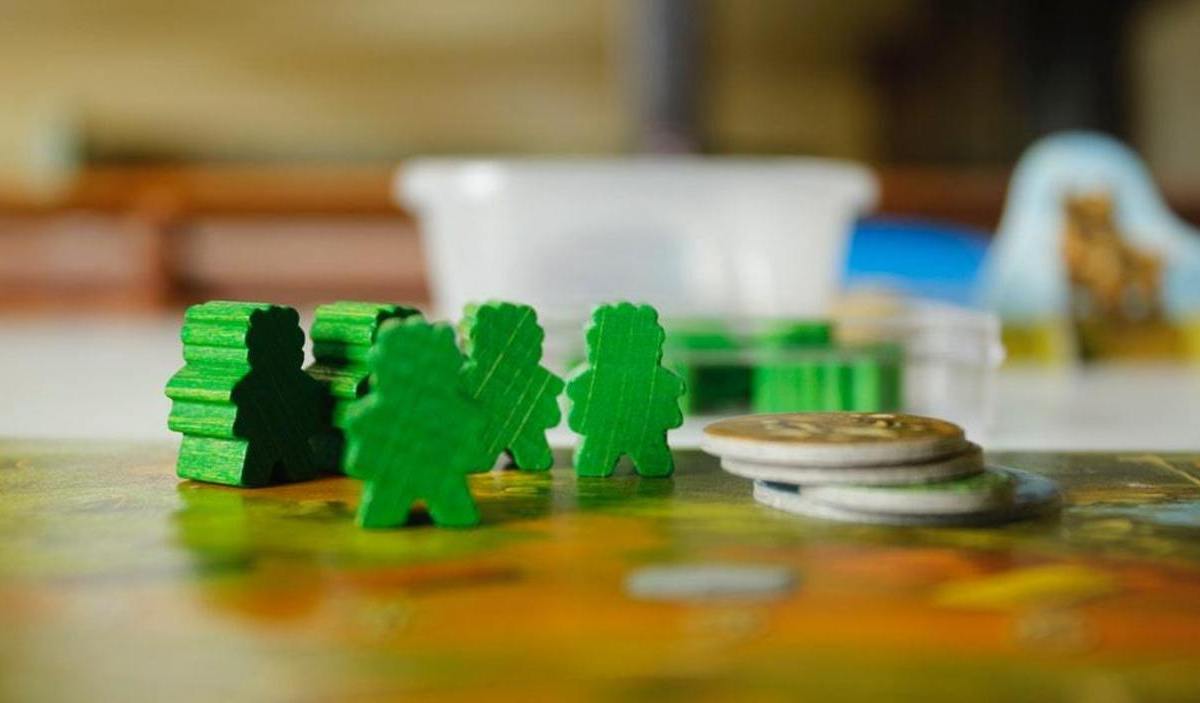
Starting a new job is like buying a board game. One you have never played to. One you might have heard about or you suddenly saw, read its description, liked and bought. This game, is the company, the organization.

You open the box and you find different stuff: A paper (or where to look at them on the internet) with the rules, indications to know how to get started, the game pieces you will need, and of course, the board.

Let’s talk about «rules». Written Rules are the organization culture, how things are done, what you can and you can not do. If you want to play by the book,to fit, you need to learn and apply them.

What about the «unwritten rules»? Lots of time not everything is on a paper. At some point there was an agreement, what to do when… it was kept for that group of people, for every team they played. This is the team culture. How do we do things around here, what we didn’t know and what we adapted from the written ones. If you want to play, you will need to know them and apply.

When playing in a different group, questions need to be asked, you need observe how others behave, accept or refuse to play under different rules, use your usual strategy or completely change it. And… always have fun. If you don’t, if there is no fun at all, change your partners or play a different game.

Christmas time has been awesome, now we are back to work with new challenges and possibilities.

Enjoy everything that is ahead. Good stuff is just around the corner.