Rules for successful VCs

There have been many, many writtings about how to run the perfect meeting, be effective, how to run a conference call… but still, same mistakes are made.

Video call in real life (sounds familiar?)*

Planning and organization are important for any kind of meeting, but it is essential when we have remote, multi-type of connections (phone, TP, VC, …), several locations, multi-languages meetings. And there have to be set up some rules.

Rules for a succesful «multi» conference:

PRE

1. Send the info that will be presented / discussed in advance

2. Set a clear agenda, as detailed as possible with timing per participant. Be aware of the language barriers and its possible impact on the dedicated time per topic

3. Make sure every that each attendant is aware of what is expected from him and what should they expect to get away with after the meeting

4. Decide «the meeting’ ruler». Not mandatory to be the host, but it helps

5. Check that all those who will have to talk, or to decide about something are aware of and ready for it

6. Try as much as possible, to limit the participation to those strictly needed. Extra people (just to be there) are not invited. Keep the party under control, the less the better

6. Include in the invite where to find the material

7. If you know in advance that an important participant will not be able to attend, update the rest and let them know what impact will this have on the meeting’s development

BEGINNING…

1. Remind the rules for the game (silenced microphones, raised hand button usage, time limits, when are the Q&A allowed, who will be sending the minutes…)

2. If someone important is missing, apologize and move on. Don’t let the others think they should wait for him

IN THE COURSE…

1. Be strict. Told them to be on mute when not speaking but there is noise on the background? Mute them all. Someone is consuming more time than allowed? Next topic. Pre-work was not done? …

2. If you are the one taking notes, ask if there is something important you think you are missing

3. Stop for the important pieces (e.g. decision making points), make sure everyone was paying attention and understood correctly

4. Stick to the agenda

Having more items on the pre-session list shows us that there is no place for improvisation.  To run a successful meeting means a lot of effort and time (from everyone). So, why do we still have so many? With so little preparation?  Let’s change that!!!

* Hilarious, real life conf call by Tripp and Tyler
About exams and workplaces

In my life I have been through many exams and tests. I remember those crowded rooms, the tension, the relief once it was over, … And I found interesting making the comparision between exams and meetings/team’s behavior.

  1. In an exam: You cared more about the typo errors than you cared about your answers being right. Workplace: You care more about noticing others’ mistakes than completing the tasks you were assigned.
  2. Exam: you didn’t read the whole test so you made obvious questions to the professor. Workplace: You don’t process what is being explained and you are just waiting for the slot where to ask your «smart» question (which is not).
  3. Exam: You cheat in a test. Or you just made up a story that sounded like a brilliant answer to you. Workplace: You «enlight» the rest of the team on a subject on which you are no expert or that you just heard from someone else without checking if the information was right.
  4. Exam: It always made me nervous that after finishing an exam everyone would gather to compare answers. It happened after all the process: you had gone into the room (Almost always) focused, read the questions, structured your answers, hesitated and by applying what you learned, some common sense and maybe some magic, you wrote down on a piece of paper the solution to the problem. Workplace: for sure you have been in meetings where no one was paying much attention, or they did but each one got a different conclusion. If you compare answers, it’s possible that you will find yourself with a completely different conclusion than the rest of the team. It doesn’t mean you are wrong.

So, why don’t we stick to the exam’s basics principles while we are at work?: be focused on your role, what you have been asked to do, don’t pay too much attention to what other’s are doing  or to what they did wrong. And, finally, you can stay to compare the answers, but just make sure you are confortable with your understanding of the questions and the solution you gave (you had plenty of time during the meeting to double check). This last one, it’s even more valid in uncertains environments.

Draw it, build it

When we plan to give a speech, prepare a presentation we begin (usually) by designing, by writing the script.We keep it in our heads, on a piece of paper or on the computer.

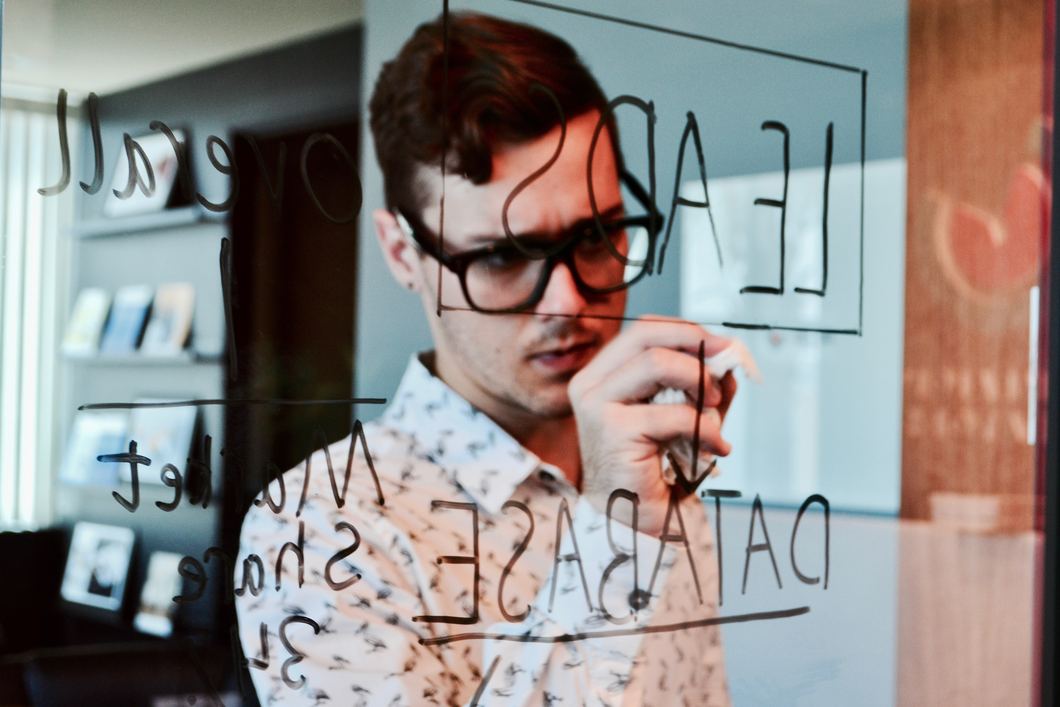
When we are in a meeting discussing topics, training, selling a product… we have many different tools (power point, support documentation, videos…) but one of the most useful is drawing. The more visible surface for the attendants, the better.

  • Are you explaining something for the audience’s very first time? It will serve as the structure from where to build from.
  • Do you pretend to make understandable a structure, a decision… ? It will be the reference point for any posible question.
  • Do the attendees speak different languages or come from different areas? Use it as the common ground for questions, agreements, solutions, …
  • Are you trying to solve a problem with n possible solutions? The different paths will help to develop new thoughts and solutions
  • Are you offering different choices, but your audience has not clear what they true needs are? It will be the guidance to narrow their problem and get closer to the best product, or solution.

Communication is never a simple thing, we do not express and/or thing the same way, so we will understand and process differently.

While drawing (a process, for example) you clear your mind and fill any possible GAP and you give to others the opportunity to participate with their thoughts while adding, editing… your draw.

Drawing in order to get things clear is building common understanding brick by brick. Draw, discuss, modify, progress, improve. Draw, discuss, modify, progress… Everyone is able to leave the meeting with all the ideas, same understanding and/or agreements.

Take the opportunity to draw more, on a blank sheet instead of using a presentation full of words but with no understanding.

The «W.A.I.T.» principle for better meetings

Meetings, meetings and more meetings. We have plenty of them in our agendas, scheduled, improvised, well planned, .. How many of them have we left with the thought that nothing was decided, that the important stuff was not said, or that everyone had to say something no matter what? Unproductive meetings take place pretty often.

Want to make the most of YOUR time? Let’s look at one of the biggest time-consuming activity: MEETINGS! You will be gaining time, respect and freedom.

When you are one of the attendees you need to be prepared. Ask for the agenda and documentation in advance (so you can know what to expect). During the meeting, use the W.A.I.T principle, Why Am I Talking? Do I have a point to make? Is someone asking for my opinion on something? Will, what I say, add any value to the ongoing discussion? If yes, then be concise. Think before you speak, consider what others said and what you want to obtain from your speech.

Did someone say something that bothered you? Are you going to speak just to correct someone else’s mistake? Is that correction critical? Would make any harm if you ignore it? Are you just speaking to fill in a silence? If your answer was yes, then, do not talk. There is no need to. Do not panic if you do not say a word during the session.  Next time, make sure you participate only if it’s  important for you to do so. It will help you in many ways, one is that you that sense of wasting time will reduce and at the same time it will free you for productive, creative work. Space to think and create. Sometimes we feel… lost, idle if we do not have a busy agenda, or if we do not say a word during a session… It is not real, you are no more important than others by having no free slot or talking more than anyone else. You are as important as your valuable opinion. When you speak up at the right time.

Why Am  I talking - productive meetings

The diagram refers to meetings but it is applicable to one to one conversations, professional or personal (follow the left side of the diagram). Say what you need, do not over-talk, find the right moment.

Ready to be more efficient?

Thanks to Work Compass (http://workcompass.com/blog/)


You know that the meeting didn’t take place in there, don’t you?

Agenda (objetivo, temas, tiempo), reserva en el calendario, sala, proyector, asistentes. Elementos básicos de una reunión. Hay varios tipos de reunión: presentación, debate, trabajo, comunicación. Y cuando finaliza, lo habitual es compartir notas, tareas (si las hay) y próximo evento. Hasta aquí, muchas veces es la ficción.

La realidad es que en innumerables ocasiones, LA reunión tiene lugar fuera de la sala y del horario. Cuando salimos de una reunión volvemos a nuestro sitio, vamos a tomar un descanso o acudimos al servicio. Este último lugar es el que habitualmente alberga las verdaderas reuniones.

Quién no ha salido nunca de una reunión preguntándose junto a los demás participantes ¿Qué te pareció? ¿Cómo lo ves? o dirigiéndose miradas, sonrisas ladeadas…

Quién no salió de una reunión en la que nadie habló, algunos no prestaban atención,

Y es cuando se reúnen de nuevo en ese punto de encuentro y reunión que es el servicio que muchas veces se hacen las «confidencias», se habla claro, se dan las soluciones. A quién no se ha oído decir, deberíamos hacer esto, el verdadero problema es este, lo he visto ya, no entiendo porqué hablamos de esto ahora, y luego ¿qué?

En resumen, el servicio es dónde tiene lugar la reunión real.  Todo fuera del ambiente que se había creado con un propósito determinado.

Y ¿porqué?

Puede ser que no estuvieran los asistentes necesarios, el objetivo no fuera claro, la duración excesiva, … o puede ser:

  • Nadie se atreve a hablar con claridad, esto funciona, esto no, podríamos hacer… (por miedo irracional)
  • Cuando se comparte una opinión se penaliza al que habla
  • Se prejuzga
  • Se coarta la creatividad
  • No se acepta la diversidad
  • No se escucha (Escuchar, no oír)
  • ….

¿Qué esperamos que suceda en una reunión? ¿Qué queremos? ¿Qué buscamos?

Si no queremos reuniones en los servicios, creemos el ambiente de confianza, equipo, trabajo necesario. Y esto, no va de hacer una vez y ya. Esto va de nuestro día a día, de escuchar activamente, de crear un espacio de tranquilidad sin prejuicios ni etiquetas, de confiar.

Fíjate cuántas reuniones en los servicios se tienen y qué notas que se sacan de las reuniones V (las de verdad), quizás puedas empezar a cambiar la dinámica.