
Draw it, build it

When we plan to give a speech, prepare a presentation we begin (usually) by designing, by writing the script.We keep it in our heads, on a piece of paper or on the computer.

When we are in a meeting discussing topics, training, selling a product… we have many different tools (power point, support documentation, videos…) but one of the most useful is drawing. The more visible surface for the attendants, the better.

  • Are you explaining something for the audience’s very first time? It will serve as the structure from where to build from.
  • Do you pretend to make understandable a structure, a decision… ? It will be the reference point for any posible question.
  • Do the attendees speak different languages or come from different areas? Use it as the common ground for questions, agreements, solutions, …
  • Are you trying to solve a problem with n possible solutions? The different paths will help to develop new thoughts and solutions
  • Are you offering different choices, but your audience has not clear what they true needs are? It will be the guidance to narrow their problem and get closer to the best product, or solution.

Communication is never a simple thing, we do not express and/or thing the same way, so we will understand and process differently.

While drawing (a process, for example) you clear your mind and fill any possible GAP and you give to others the opportunity to participate with their thoughts while adding, editing… your draw.

Drawing in order to get things clear is building common understanding brick by brick. Draw, discuss, modify, progress, improve. Draw, discuss, modify, progress… Everyone is able to leave the meeting with all the ideas, same understanding and/or agreements.

Take the opportunity to draw more, on a blank sheet instead of using a presentation full of words but with no understanding.

The inevitable no

Don't ignore a request. Explain your motives.

In any culture NO is not an easy word to use when being asked to do something. It might look that when we say I can’t, I do not know, I haven’t that information, I won’t be able to do it, we don’t sell this product, won’t deliver on time, … we will not be asked again, will not be considered.


Well, that depends. It depends on how do we say no.

  • Do you explain the objective reasons why you are not accepting to a job? Why you can’t commit?
  • Are you giving alternatives to your speaker? Are you able to redirect him so he can find the appropriate service?
  • Are you telling them that there is no business case for you?
  • I can’t bring down the price. This is what the service costs.
  • If it’s a time issue, do you give a realistic delivery time? Not now, I am too busy but I could do it in 2 months.

Or just a cold… NO, I can’t?

And, as in others posts… as important as the «how» is the «WHEN«.

  • Do you say no without even hearing all the request?
  • Are you giving a Yes for an answer just to postpone the final inevitable no? Are you awaiting the other to just get tired and stop asking about the request?
  • Is your answer a: «Let me see..» and after that, radio silence?

There is no big deal (well, if you are talking to someone who doesn’t accept a no for an answer… maybe he/she will have an issue) for giving a no for an answer. Expectations need to be calibrated.

We say no, we give explanations, alternatives, reasons. We are doing all the best we can. And it’s paid-off with long term relationships. Those who didn’t do business some time ago, will come back when you fit their needs. Because you listened, understood, balanced expectations and gave alternatives.

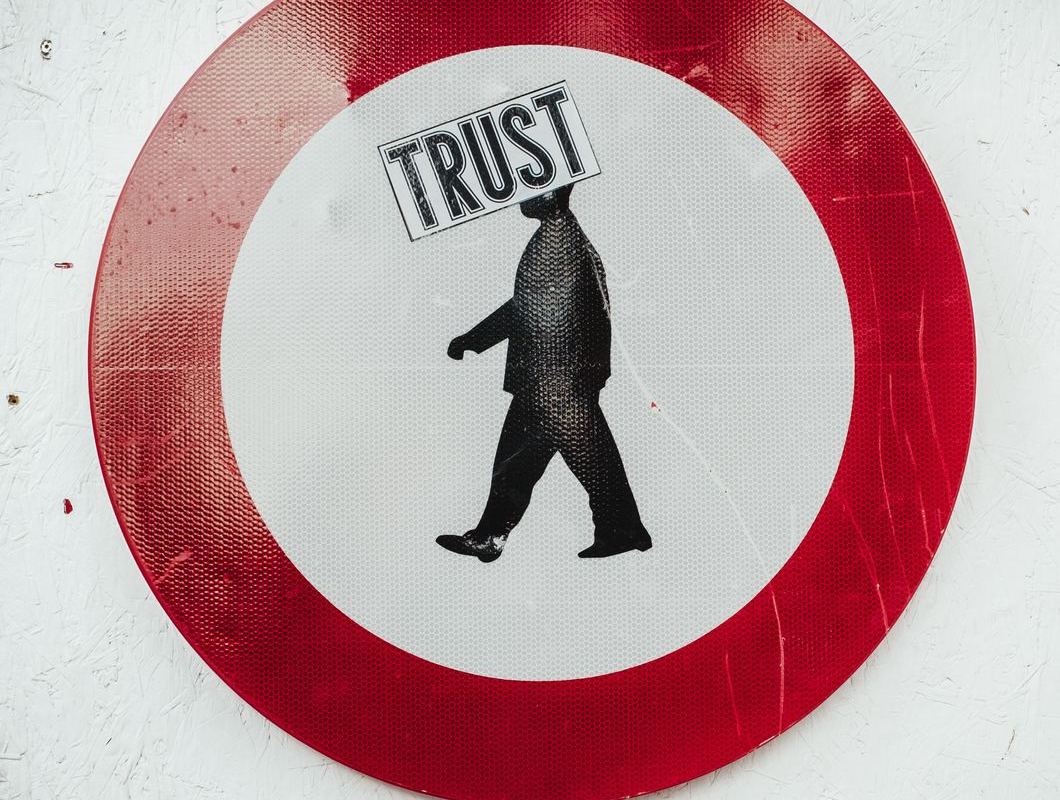
No, is not a bad thing to say. And it’s not easy. But in the end it builds more than it destroys. Creates a base for trust.


A post about Time management is.. coming soon!!!

The importance of considering the cultural factor when communicating

If we have misunderstandings while speaking in the same language, just imagine what can happen when you don’t master a foreign language.

The act of communicating is not a simple matter. There are many things going on (almost) at the same time.

Active, oral communication, what could possibly go wrong?:

On the talker’s side: thoughts, structured speech, actual speech.

On the listener’s side: message heard, understanding, transformation into thoughts (and will keep in mind).

Expectation and result could be completely different.


Some components in Written communication:

On the writer’s side: Thoughts, ideas, actual written message (Structure and words), dedicated time to what and how…

On the reader’s side: available and dedicated time to reading, momentum, current mood, understanding and transformation into thoughts/into opinions.

If this amazing process takes place when using a language that we do not master, fun increases. We can fall into using Literal translations, words that mean completely different things, local unknown expressions, …

You want to make it better? What if we get into the game of cultural differences? Every single culture has its own way to express emotions, its own way of doing things, of behaving.

When we want to guarantee that we transmit properly, that the other part understands correctly and is able to respond, time is wanted. Please use simple language, structure as much as possible your message. Try to accommodate your information, go for the best tools. Learn what is accepted in the other culture to express emotions: joy, confusion, appreciation, anger, … Just adapt so you transmit correctly (you achieve your goal): Practice, ensure that you employ the  intonation, written expression that is required and at the right timing. Make yourself understand.

Show respect towards the other person and ensure you earn respect. The right, specific words at the appropriate time can have a great impact, the one we are looking for.


Stop, think, act/say/write.