Ideas and facts

When we are spending times with friends, we can spend hours discussing about almost any topic. It is not mandatory to have data, only respectful arguments that can support our opinion. The opinion can be based on your personal experience or in someone elses that you try.

But when you try to change things, when at work you want someone’s help, it is not enough with a belief, a feeling, an idea. You need to bring facts. As many as you can. This is not working, this can be done in a better/Different way, here I have the data to support my words. We need to do this change, we need to have this tool. This are the data we have to support our statements. Or, if we had the data we would be able to act over this different issues, but we are not able to obtain the data, that is why we need to build a reporting tool.

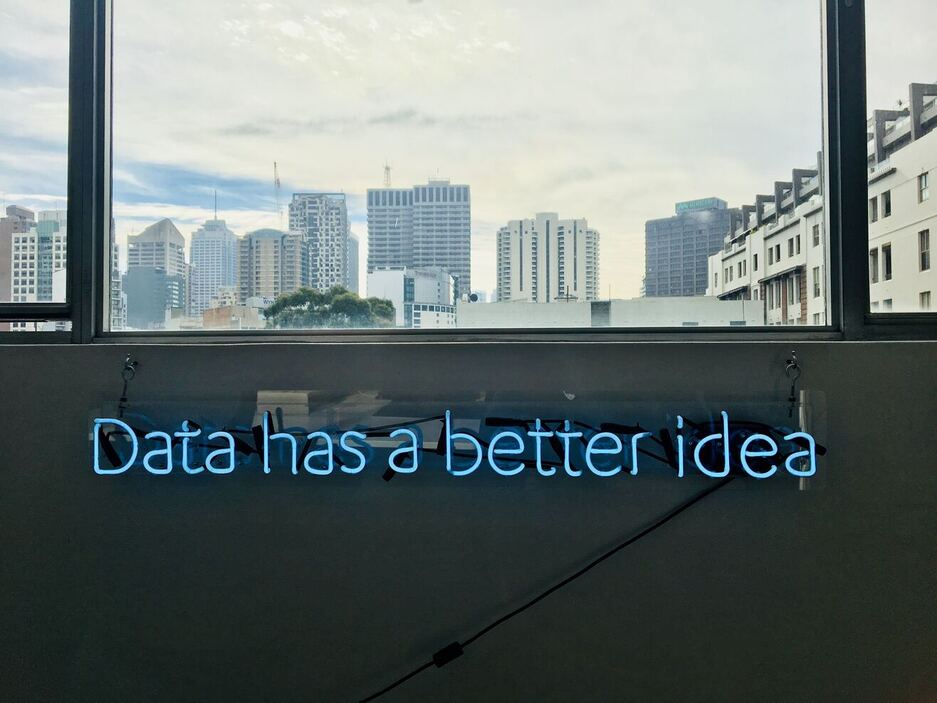
The difference between an opinion/idea and a fact is data. It will help you to sustain your requests, your arguments and get the help you need (or at least try to) or prove yourself you were wrong when you first brought to the table that idea that felt soooo real.

Data can be useful, it can bring light to foogy zones.

Giving advice, is not that simple

The road to hell is paved with good intentions.

Last week, two different conversations took place, the first around giving advice only when being asked for and with lot of caution, the second… receiving advice without even asking for.

For sure that most of the times when someone is «advising» you is with the best of the intentions, but should it happen?

  • We are sharing thoughts, experiences, decisions. And out of the blue, comes a » I would…», «If I were you I would not…», «are you sure about…».
  • We ask for it, and in return we get a one size fits all, even if we gave all the necessary pieces for a «bespoken» advice, or even if we only gave the few pieces we wanted or we could share. «everyone is», «you should go to… it worked for us/them/…»
  • We hire a specialist, to have a different, unbiased point of view. From someone who already has been through it and can give us the best options. We do not like what we hear, and we ignore it. We just wanted to pay to hear what we thought it was right.
  • We hire generalists, or specialists to tell us what we think is the best or what we want, to justify what we have already decided.

As bad as receiving non requested advice can be the just-to-be-able-to-tell-myself I knew I was right requested one.

Like many other times, trust lays behind a call for help or seeking for a point of view. Any other thing is for free and unnecessary.

By the way, when we ask, we need to be ready to hear something that can not be of our taste.